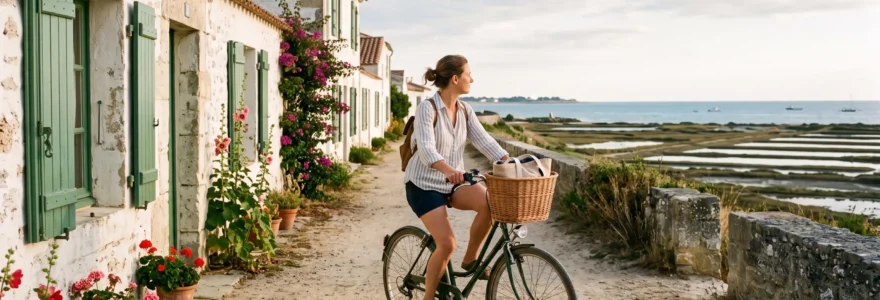
Direct answer: To enjoy the French art de vivre on Île de Ré during a short stay, plan your days as locals do: start with a morning market, move by bike between villages, choose your beach time around the tides, and make room for one terroir stop (salt marshes or a tasting) that fits the season.
Île de Ré is easy to “see” quickly, but it’s even better to live slowly. The difference often comes down to small decisions: which market you go to, when you ride, and whether you let the tide set the tempo instead of your to-do list.
This article gives you a simple day-by-day grid—morning market, midday bike ride, beach according to the tide, and an evening village stroll—so you can avoid a superficial checklist and still leave with that warm “I got it” feeling.
A practical rhythm for a short, authentic stay
- Morning: pick one village market and shop what’s in season.
- Late morning: wander a harbour village on foot, slowly (coffee, benches, viewpoints).
- Afternoon: cycle to a beach and time your walk/swim with the tide.
- Golden hour: salt marshes or a terroir stop—season matters.
- Evening: simple dinner, early night, repeat the next day in a new village.
What Does the French Art de Vivre Really Mean on Île de Ré?
On Île de Ré, “art de vivre” isn’t a theory—it’s a daily rhythm. It shows up in when you do things (early market mornings, late beach walks) and how you move (often by bike, at an unhurried pace), more than in any single “must-see”.
A quick, surface visit often looks like this: drive, park, snap photos at the harbour, repeat. A lived-in day looks different: you begin where locals begin (the market), you travel slowly between villages, and you let the island’s natural constraints—wind, season, and especially tides—shape your plan.
The good news if you’re short on time: this lifestyle is still accessible on a 2–3 day stay. You don’t need insider contacts—you need a few reliable anchors (one market, one village stroll, one tide-timed beach moment, one terroir stop), then you repeat the pattern in a different part of the island the next day.
Season and tide reality check: some of the most “Rétais” moments—like salt-related activities and certain beach experiences—are seasonal or feel completely different depending on the tide.
Where to Experience the Island’s Villages and Markets
If you want to spot the difference between “touring” and “living,” start in the villages that invite you to slow down. Saint-Martin-de-Ré works well for an unhurried harbour walk: come early, before the day speeds up, and follow the quays on foot rather than chasing viewpoints.
Ars-en-Ré is another strong choice when your goal is atmosphere over attractions. Pick one simple plan: market first, then a quiet wander through lanes and around the port, and let the rest of the morning unfold without forcing it into a timetable.
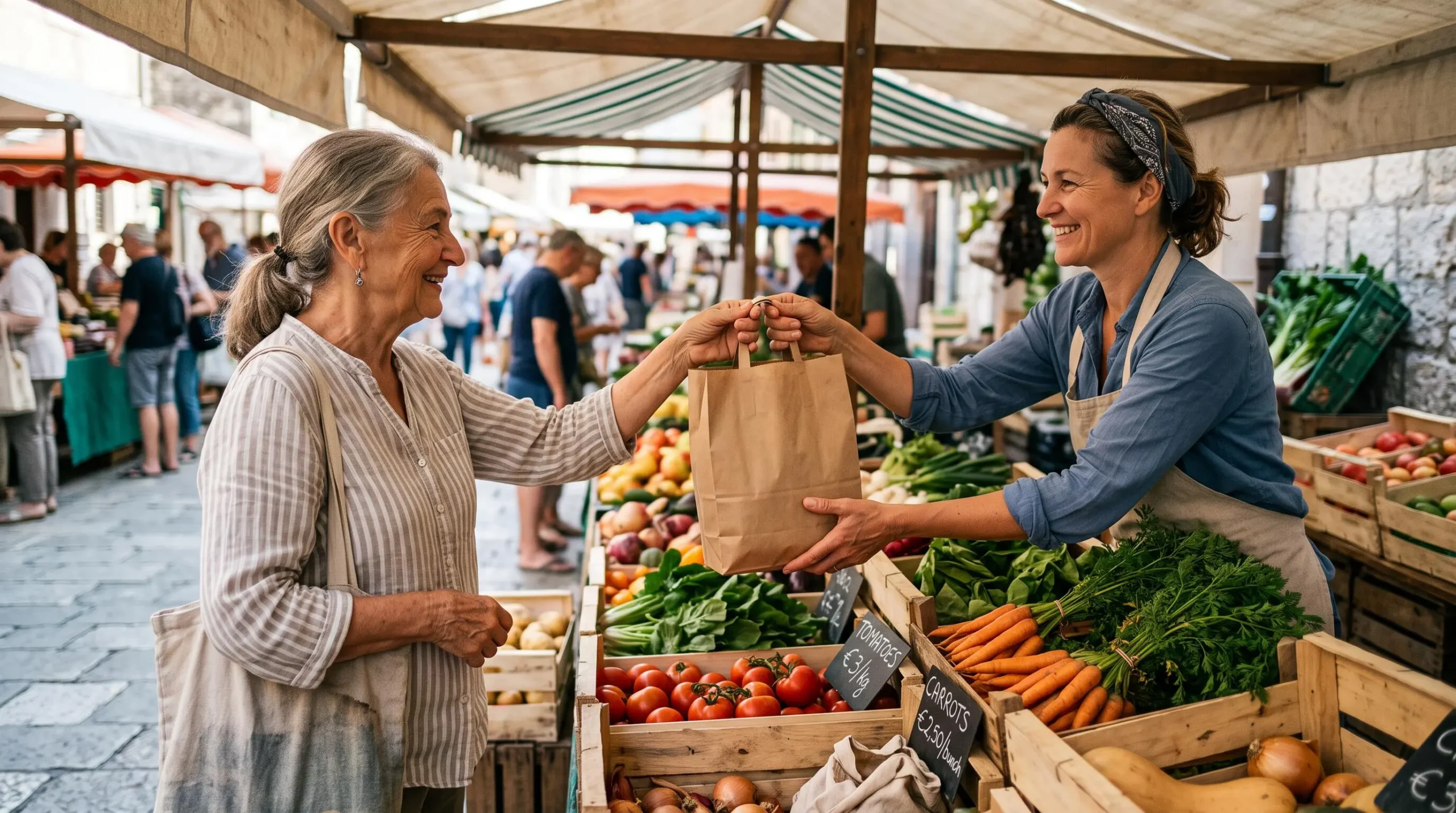
Which markets feel most “local” (and how do you shop them)?
The most “local” market is usually the one you visit early, with a short list and an open mind. Aim to arrive in the morning, buy only a few seasonal items, and ask for something easy to eat the same day (fruit, cheese, bread, tomatoes—whatever looks best right then).
Because market days and hours can change with the season, the safest move is to confirm schedules with the official tourist office before you go. Use the official Île de Ré tourist office page on the salt marshes as a starting point for practical, updated local info, then cross-check market times in their dedicated sections when planning.
How do salt marshes fit into the island’s lifestyle?
The salt marshes aren’t just a backdrop—they’re part of the island’s working landscape. The official tourist office notes that the marshes can be visited all year round, and it also mentions themed guided walks on Thursday afternoons during the high season (departing from the Écomusée du Marais Salant in Loix). That makes them an easy “terroir” stop to plug into your day—especially when you want something quieter than the beach.
For a concrete sense of the island’s salt culture, it helps to know that harvest and production depend on weather and seasonal cycles. The Île de Ré Salt Producers’ Cooperative explains that the summer harvest is the outcome of a year-long process governed by tides, climate, and seasons.
A simple “authentic vs touristy” filter you can use on the spot
Use this quick test when choosing where to linger: does the place invite everyday life? A market where people are actually buying lunch ingredients, a bench facing the harbour, a lane where bikes outnumber souvenir bags—these are good signs.
- Feels authentic: you see locals doing ordinary tasks (shopping, cycling, chatting), and you can enjoy it without paying for an “experience.”
- Feels touristy: you’re pushed into a fast flow (queues, tight photo spots), and you can’t do much besides consume and move on.
How to Slow Down Like a Local: Cycling, Beaches and Tides
To live the island rather than hop between stops, make cycling your default. Even if you only ride for part of the day, it changes everything: you notice wind, smells from the pines, the way villages transition into dunes and marshland—and you naturally take fewer, better breaks.
Then, use the tide as your scheduling tool. It’s a simple shift: instead of asking “which beach is best?”, ask what do I want to do at the beach today—walk far, swim, look for tidal pools—and then match the timing.
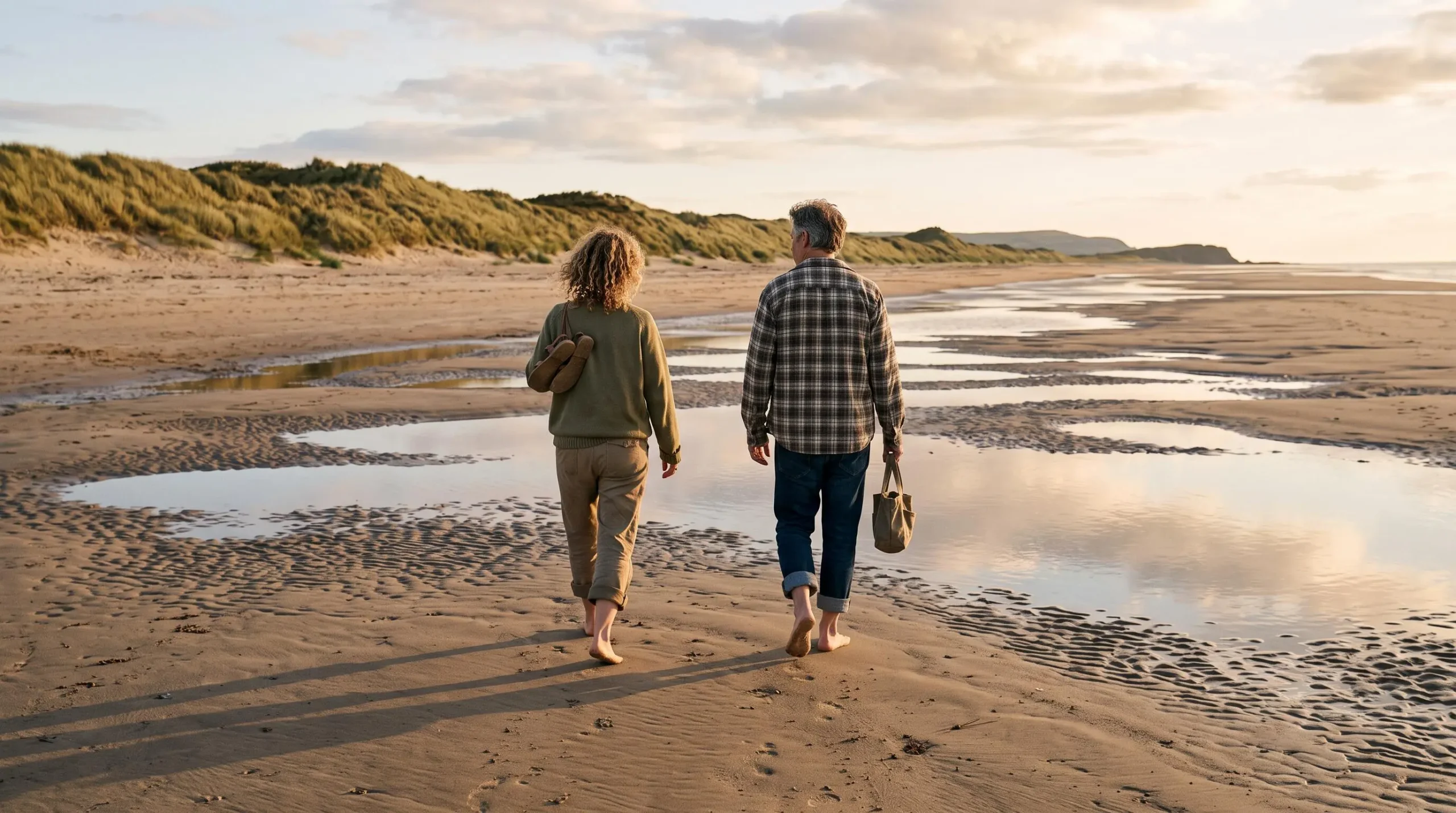
How do tides change what “a good beach moment” looks like?
At low tide, beaches often become walking territory: longer stretches of sand, shallow pools, and that feeling of space that makes you slow down. It’s ideal for a long stroll (especially in late afternoon light) and for anyone who loves observing small details rather than just swimming.
At high tide, your beach time can become more about swimming and sitting close to the water. If your goal is a simple, restful swim, plan around high tide rather than arriving at a random hour and feeling like the sea is “far away.”
Practical habit: check tide times for the day you’re on the island, then decide your beach window first—everything else (market, cycling loop, aperitif) can wrap around it.
Two sample days you can copy (and adjust)
These are hypothetical schedules you can reuse. The exact tide times change daily, so the idea is the structure: pick one anchor, then let the rest flow.
- Start at a morning market
Buy a small picnic and something easy for breakfast, then stop for a coffee nearby.
- Cycle a village-to-village loop
Ride late morning when the day still feels calm, and keep one “slow village” as your main stop.
- Go to the beach for a long walk at low tide
Plan for walking time, not just “beach time”—that’s where the island pace clicks.
- Finish with a simple harbour stroll
Golden hour is made for sitting, watching boats, and doing less.
- Beach first, swim or sit by the water
Go early while the sea is close; keep it simple and unrushed.
- Lunch from the market (or a terrace)
After the beach, you’ll enjoy a calm meal more than a second “activity.”
- Mid-afternoon cycling at an easy pace
Ride when the beach feels less essential, and treat the bike ride as the activity.
- Terroir stop before dinner
Pick salt marshes or a tasting depending on season and opening times.
Savoring the Island: Wine, Salt and Terroir
The island’s food experiences work best when they’re attached to a moment you already have: market snacks in the morning, a picnic between villages, a salty aperitif after the beach. That’s the art de vivre piece—not piling up tastings, but choosing one that fits your day.
Why salt is more than a souvenir here
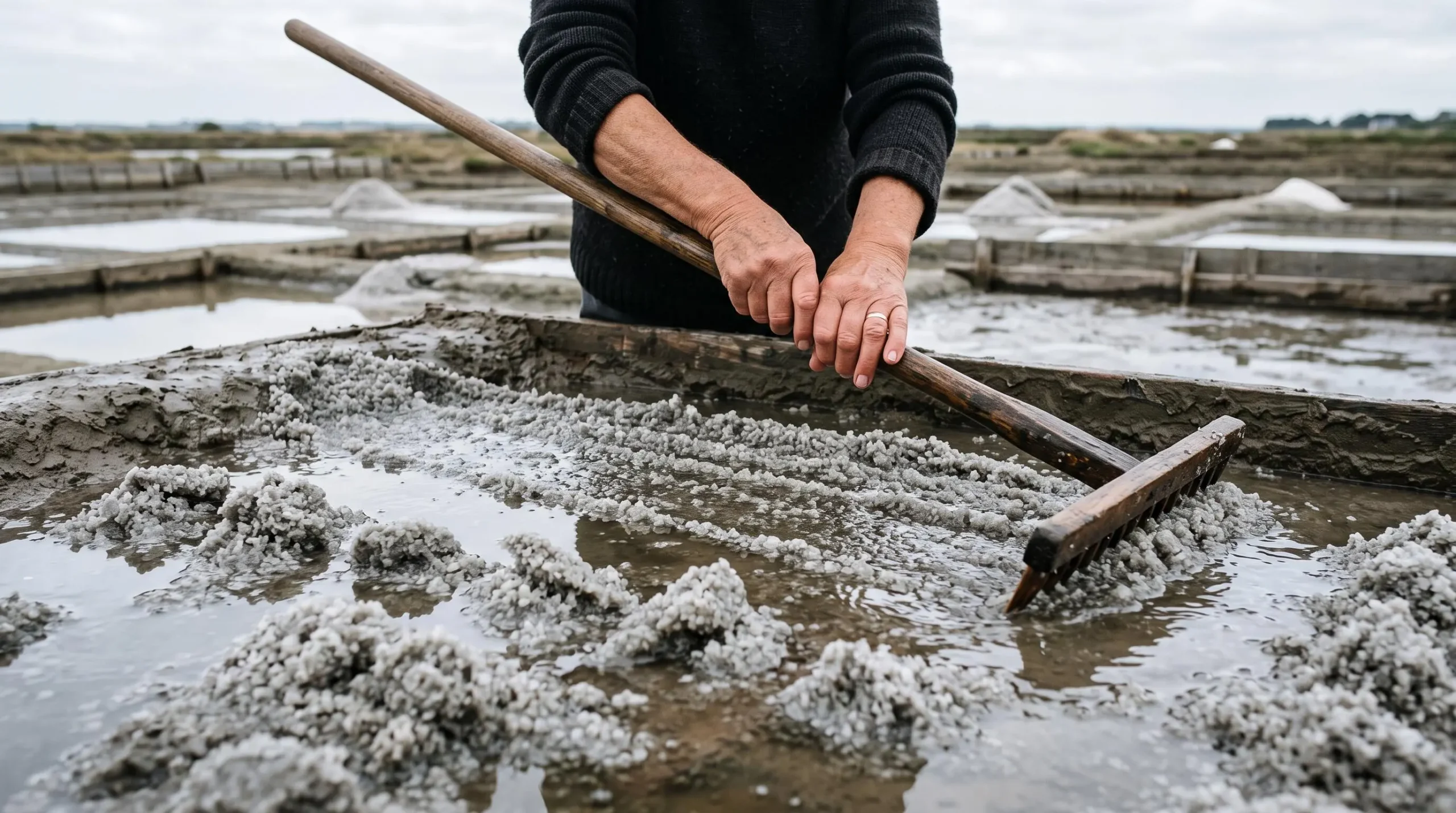
Salt is one of the clearest expressions of local know-how because it’s tied to the landscape and the seasons. According to French public radio ICI, around a hundred salt workers on Île de Ré harvest an average of 3,000 tonnes of salt yearly, with yields ranging from 800 to 4,000 tonnes depending on weather.
3,000tonnes/year
Average annual salt production on Île de Ré (ICI, citing the local salt producers’ cooperative); weather can make it vary.
If you want a meaningful visit, think in seasonal terms: the producers’ cooperative notes the harvest happens in summer, but it’s the result of a full year of work paced by tides and climate.
To ground this in something concrete, consider timing a salt-marsh stop when the light is soft (late afternoon works well) and bringing basic protection in summer—hat, water, and sunscreen are explicitly recommended by the official tourist office for warm-season visits.
A one-day “terroir loop” that doesn’t feel rushed
Keep it to three notes: market (buy something seasonal), one village (walk it slowly), and one terroir stop (salt marshes, or a local tasting if it fits your schedule). That’s enough to feel the island’s flavour without turning your holiday into a route map.
If you’re the kind of traveller who loves comparing island cultures, it can be fun to pair this slow French island rhythm with a very different one later—here’s a read on the Seychelles islands for inspiration beyond the Atlantic.
And when you shop for edible souvenirs, think “useful and small”: salt you’ll actually cook with, a bottle you’ll open with friends, or simple market treats that travel well for the next day’s picnic.
How can I experience the real Île de Ré beyond the tourist spots?
What should I do first when arriving on the island?
How do tides and seasons affect beach choice on Île de Ré?
Planning Your Stay: Practical Tips Before You Go
If you’re planning a short stay, your best strategy is to choose two or three daily anchors and keep everything else flexible. A realistic template is: market (morning), bike loop (late morning or afternoon), beach (timed with the tide), and one quiet village moment (sunset stroll).
For reliable, up-to-date practical details (openings, seasonal activities, and what’s feasible when), the safest reference is the local tourist office. It’s also where you’ll spot specifics like the high-season schedule for guided salt-marsh walks (notably Thursday afternoons, as indicated on their marshes page).
When is the best time to visit (for the lifestyle, not just the weather)?
The “best time” depends on what you want your days to feel like. If you’re chasing long beach days and the salt-harvest atmosphere, summer aligns naturally—but it also means you’ll want to plan earlier mornings and calmer late afternoons. If you prefer quieter lanes and slower village moments, shoulder periods can make it easier to keep that local rhythm.
Because seasonality affects opening times and the feel of villages, confirm practical info close to your travel dates, not weeks in advance.
A prioritized 2–3 day plan (so you don’t overbook yourself)
Here’s a simple way to decide what to keep and what to drop when time is tight:
- If you only have 2 days:
Do one strong market morning, one salt-marsh stop, and two different village strolls (one per evening). Let the rest be cycling and beach time around the tides.
- If you have 3 days:
Repeat the same rhythm in a different area of the island each day: new market or village, new bike loop, and a beach window timed to that day’s tide.
- If the weather turns windy or grey:
Lean into villages, markets, and salt-marsh visits (still seasonal in feel), and keep cycling shorter but more frequent.
Once you’ve experienced the French art de vivre on Île de Ré—this mix of markets, bikes, tides, and terroir—you may feel like continuing the island-hopping mood elsewhere in Europe.
Your next step on Ré is simple: pick tomorrow’s anchor (market or tide window), then leave space around it. That breathing room is where the island stops being a destination and starts feeling like a place you’ve actually lived in—even briefly.